
Ansys Speos
Ansys Speos - Enterprise Optical System Design Software
Ansys Speos is optical simulation software for lighting systems, head-up displays, cameras and human vision. It predicts how light behaves in the finished product, and how a person or a camera will perceive it, so optical performance is verified before a part is tooled.
Speos works within the CAD environment, keeping optical and mechanical design on the same geometry. Automotive is its largest field of application, and the same questions arise in consumer devices, displays and architecture.
Ansys Speos 2026 R1
- Optical Design Exchange (ODX): OpticStudio-Speos data exchange is now available for Siemens NX.
- Optical Part Design: multiparameter editing, prism height limits in light guides, freeform sharp cut-off lenses and tilted TIR axes.
- Visualisation and GPU: improved ray animation and live preview.
Read more: What's New in Ansys Optics 2026 R1
Ansys Speos Enterprise
Everything in Premium, plus human vision simulation: glare, eye adaptation, visibility and legibility.
Ansys Speos Premium
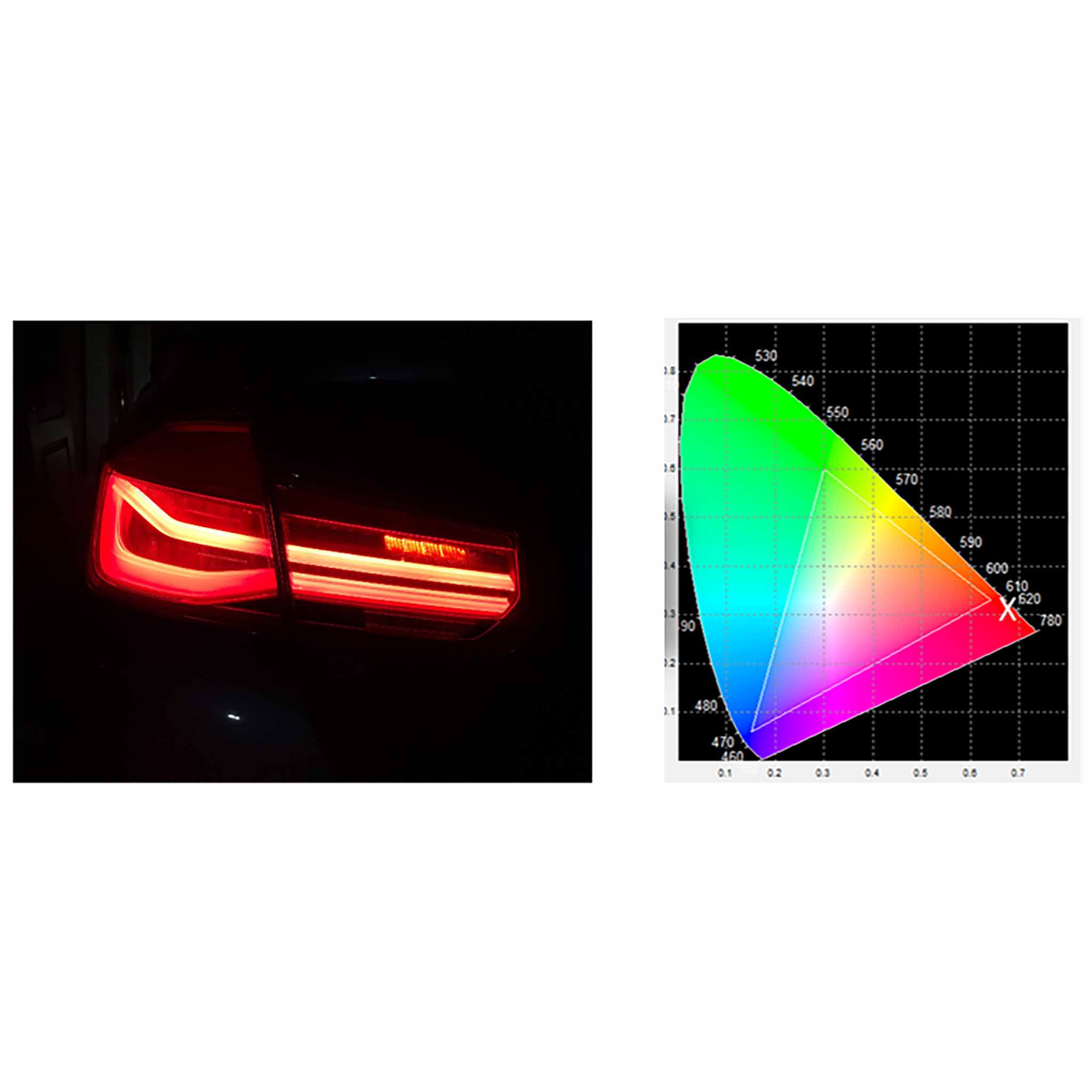
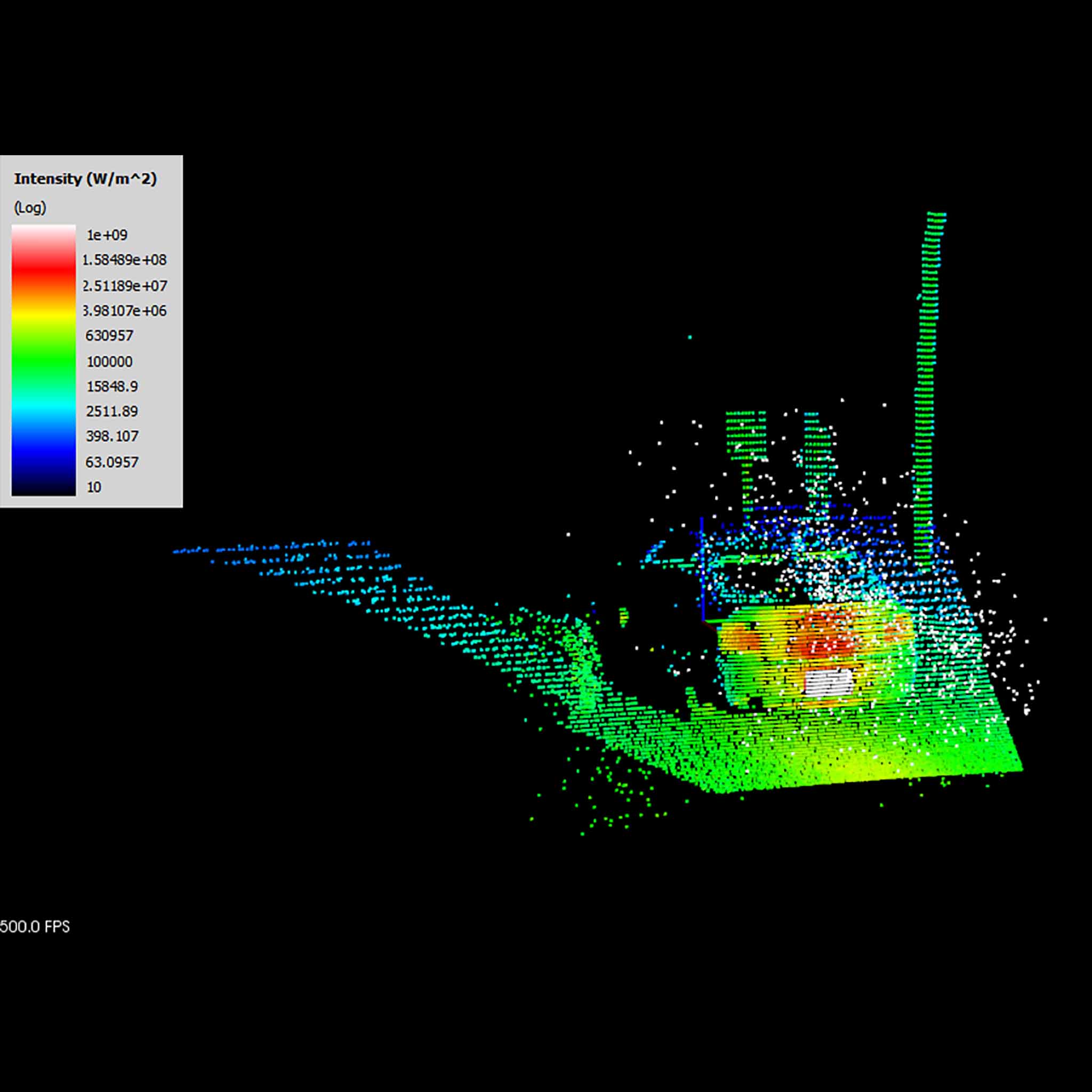
Adds radiometric and spectral analysis beyond the visible range (ultraviolet and near-infrared), stray light analysis and GPU-accelerated Live Preview.
Ansys Speos Pro
Core photometric simulation of lighting systems (intensity, illuminance and luminance) in the visible range.
HUD design and analysis, Optical Part Design, camera and LiDAR sensor simulation and the Optical Design Optimizer are available in specific packages, configured to the project.
Automotive Lighting, HUD and Human Vision Simulation
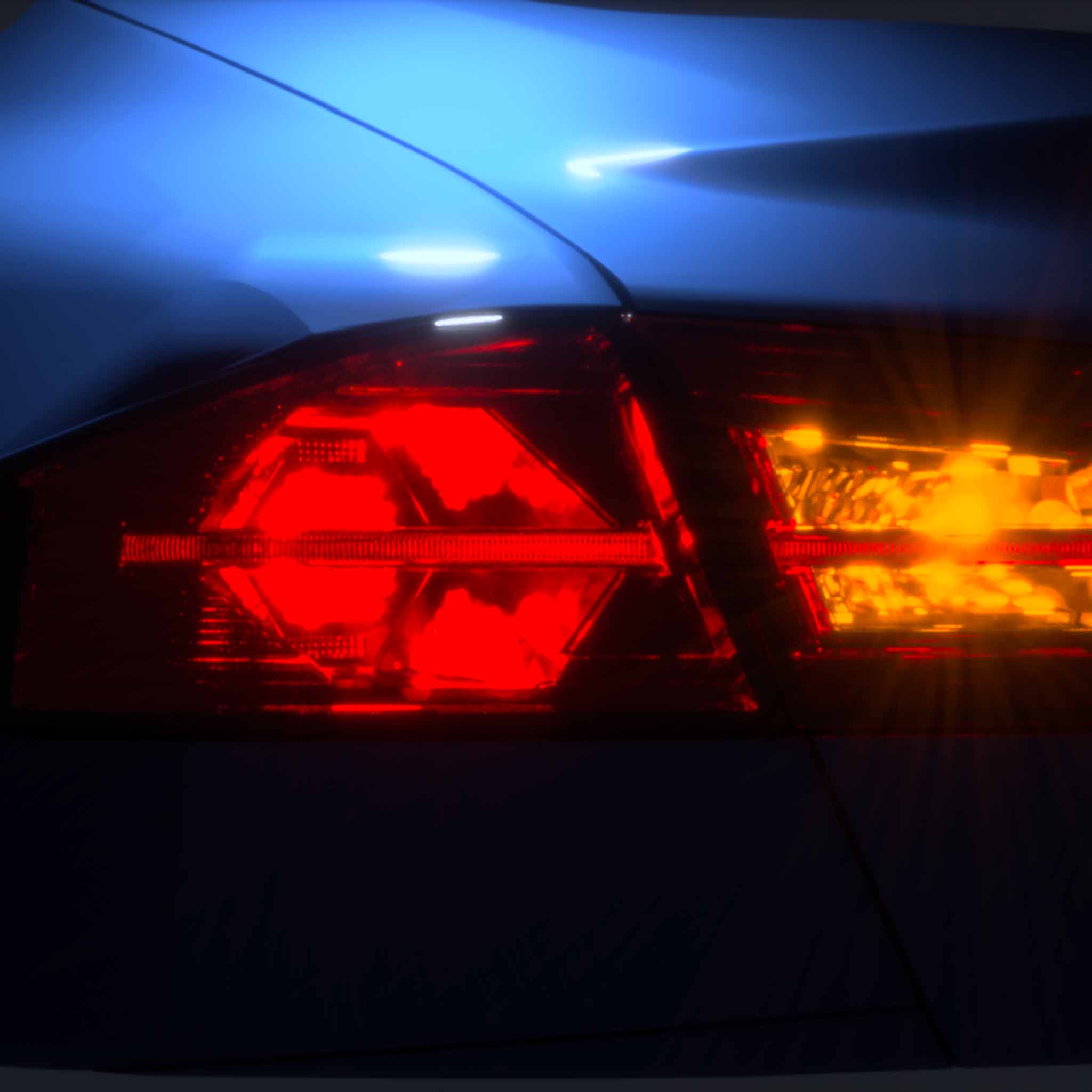
Headlamps, signal lamps, interior lighting and head-up displays must meet regulations and achieve the intended appearance. Speos analyses intensity, illuminance and luminance for photometric compliance, and Optical Part Design creates light guides, freeform lenses and reflectors. Human vision simulation renders glare and legibility under different lighting conditions, so questions of visibility in sunlight are settled before a prototype exists.
Camera Simulation with Rolling Shutter and Motion Blur
Camera simulation includes dynamic effects such as rolling shutter and motion blur, and sensor packaging can be evaluated on the vehicle. Gradient-index materials, custom surface plug-ins and aero-optical effects extend the physics where standard models are not enough.
Lightfield Files for Secure Supplier Exchange
The Lightfield file format lets suppliers share pre-computed optical results with customers without exposing the underlying design, and GPU acceleration keeps iteration fast.
Common Optical Simulation Consultation Topics
- Automotive lighting: headlamp and signal lamp photometry against regulations.
- Interior and ambient lighting: light guide uniformity and appearance.
- Head-up displays: image quality and stray light.
- Displays and backlights: brightness uniformity and glare.
- Camera and sensor placement: field of view and stray light for vehicle sensors.
Have a project outside this list? Send us the specification. Where a study needs specialist knowledge, we draw on our wider Ansys partner network.
Related Products
- Ansys Zemax OpticStudio: designs the optical system itself, such as a lens stack; transfers to Speos through Optical Design Exchange.
- Ansys AVxcelerate Sensors: camera, LiDAR and radar simulation for ADAS testing at vehicle level.
- Ansys Lumerical: wave-optics simulation for nanoscale optical structures.
Ansys Speos FAQ
Which package is needed for HUD work?
HUD Design and Analysis is a specific Speos capability. We will confirm the right package for your project.
Related CADIT Training
Oct ’26 update by the CADIT Ansys Optics Team.

Product Line Expertise
A channel partner undergoes rigorous training and testing to receive a product line certification.
CADIT is proud to provide certified service to our customers in 5 Ansys Product Line Categories.
We provide several subsidized specialty training options & quality service for customers under our care.
